
Guides
DIN Rail Modular IO — One Main Board, Add the Modules You Need
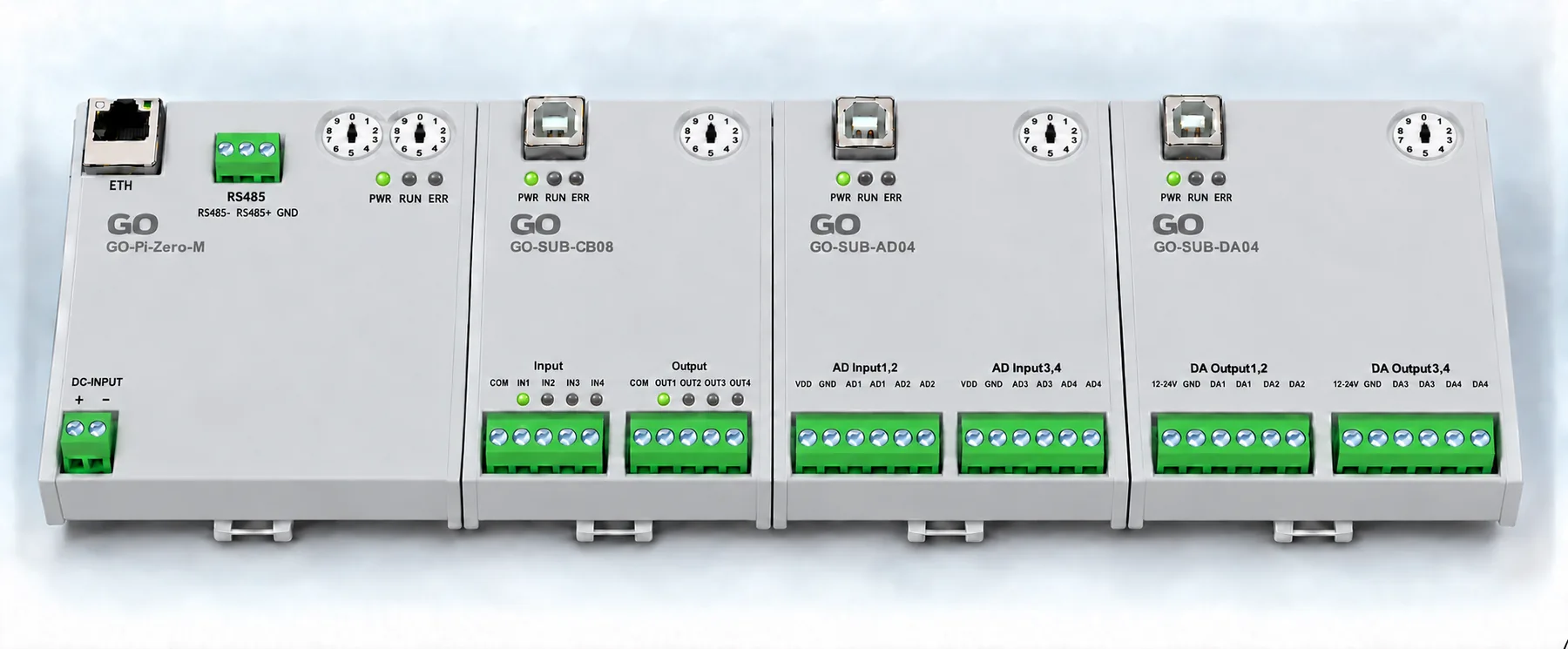
One main board plus whatever modules you need, side by side on a rail. All four are 81.5 mm tall and the module bus is 16 pins.
Posts related to Senbrix across categories.
10 posts · Page 1 of 1
One main board plus whatever modules you need, side by side on a rail. All four are 81.5 mm tall and the module bus is 16 pins.
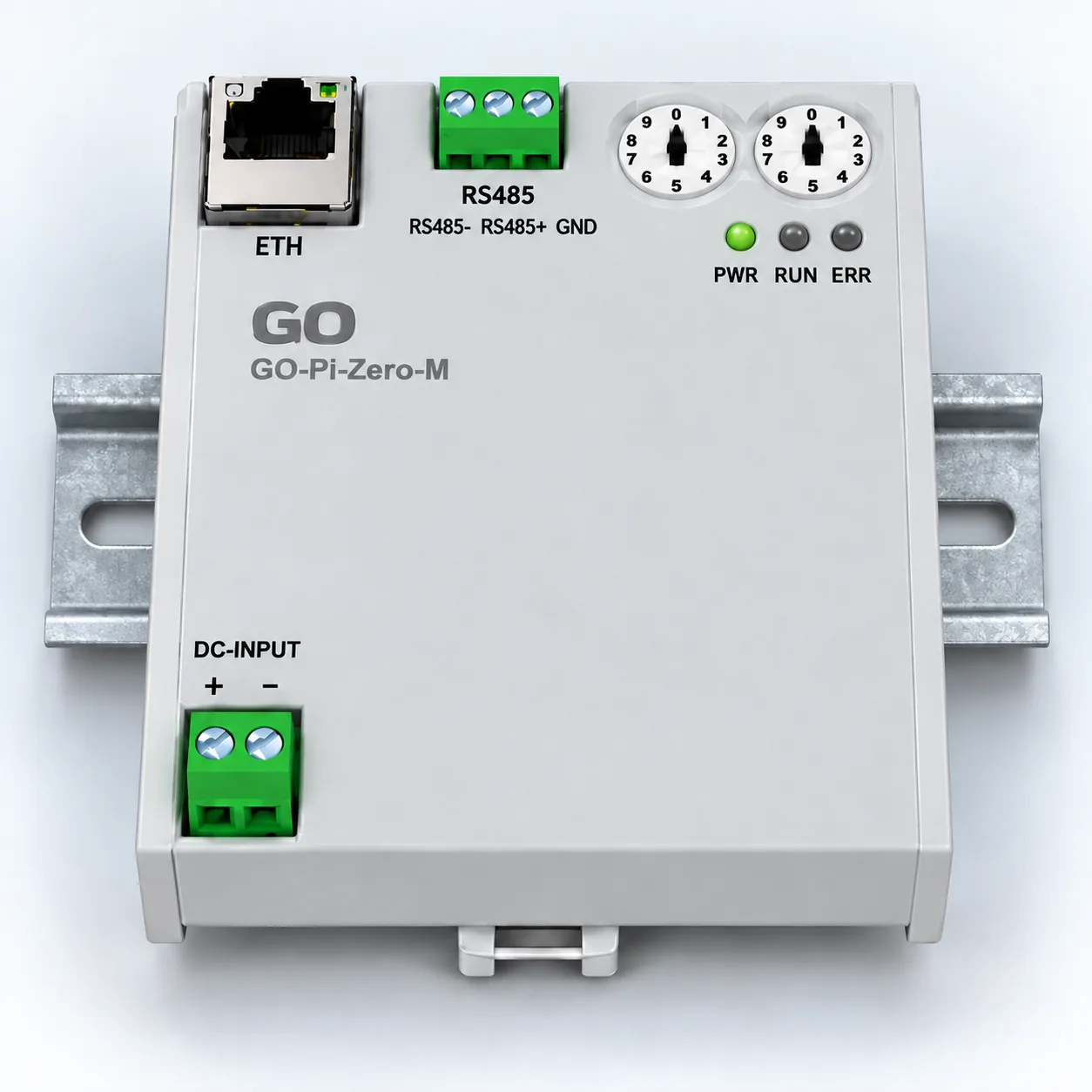
Ethernet, CAN and RS-485 on one main module. Only the lines that go out to the field are isolated.
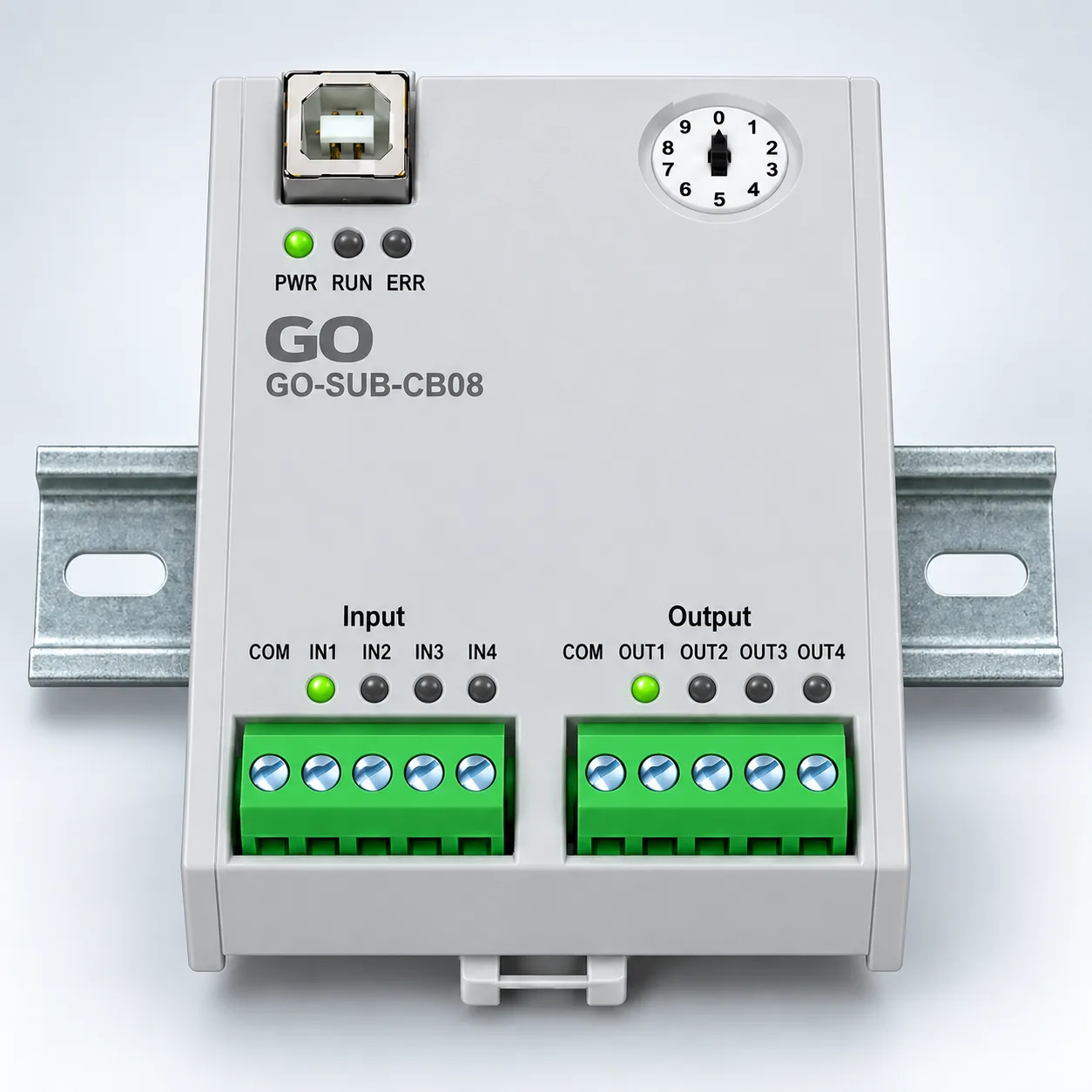
Four relays, four analog inputs, four analog outputs. All three carry their own MCU and run as independent CAN nodes.
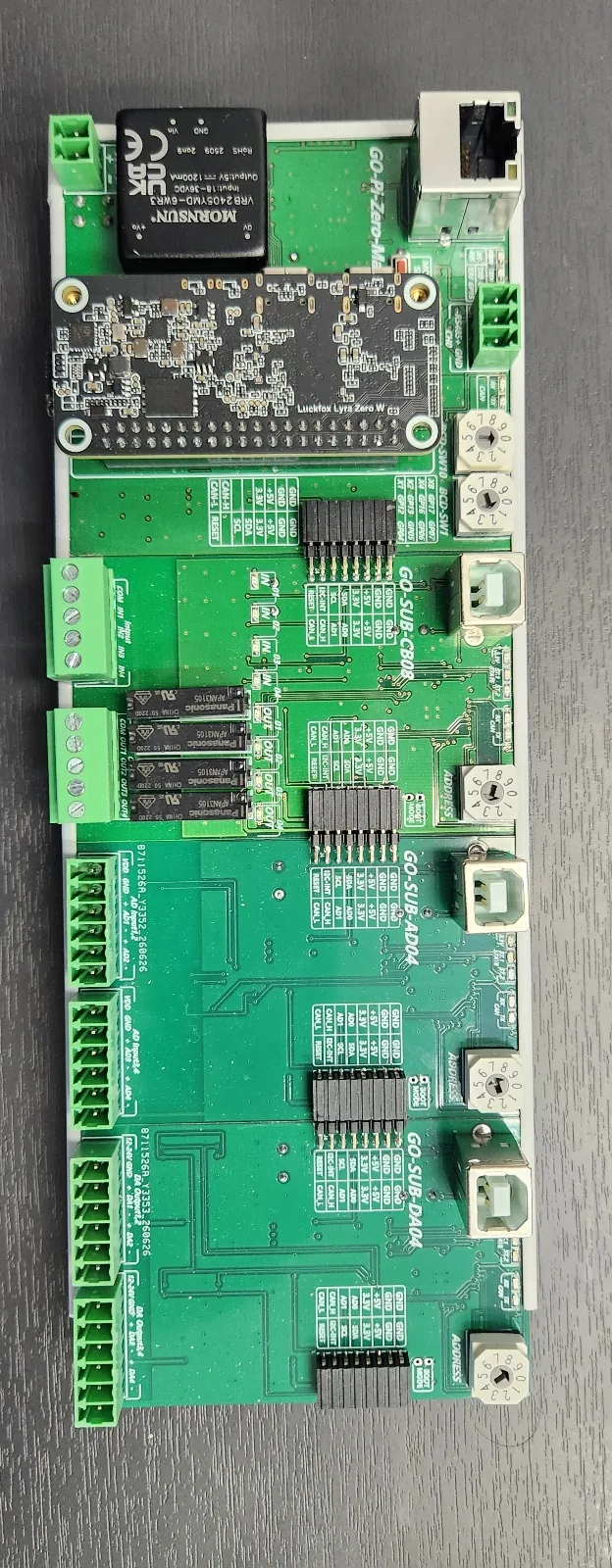
The modular IO specification table in one place, plus the DIN rail expansion limits and the design rules for a new module.
It started with the extra PC you always had to stand next to the PLC. It ends with an AI writing ladder and fixing a fault on a running controller. All six Senbrix devlog posts on one page.
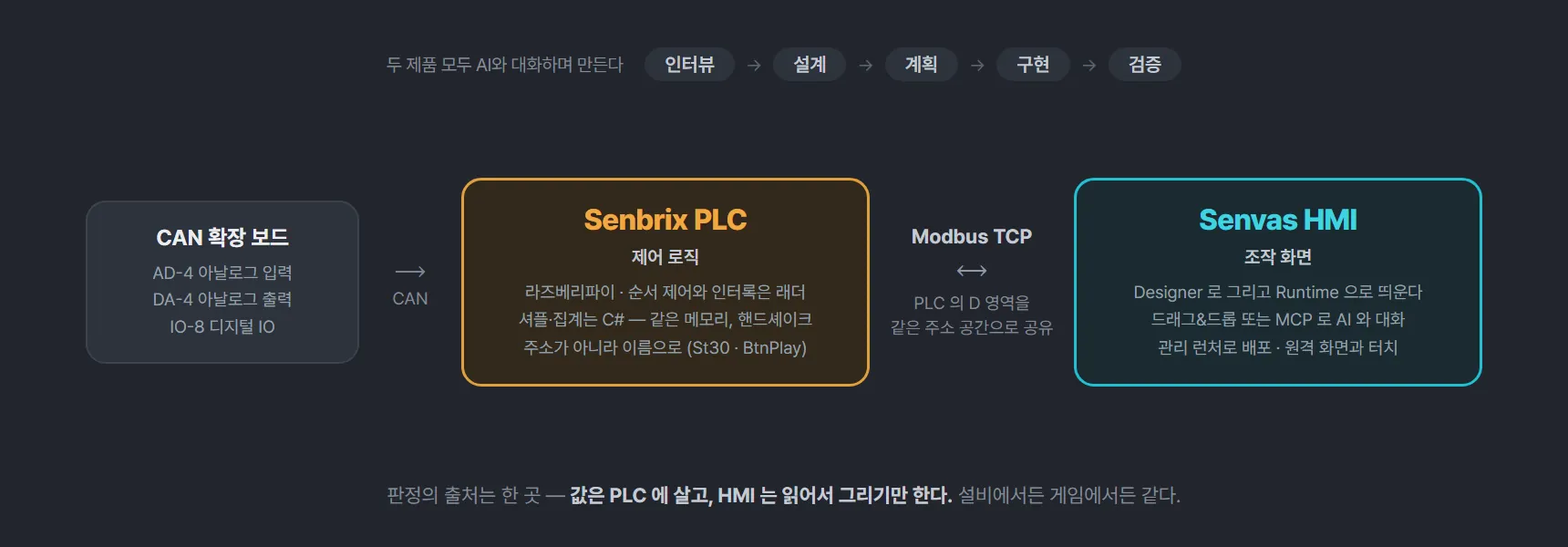
Ladder on one side, screens on the other, and one rule holding them together - the values live in the PLC and the HMI only reads them and draws them.

A compact PLC where ladder and C# share the same memory, with AD-4, DA-4 and IO-8 expansion boards on a CAN bus - validated by four games running out of one project.

From one lever to a cabinet holding four games, seven posts collected on one page - in the order the parts arrived and the games followed them.
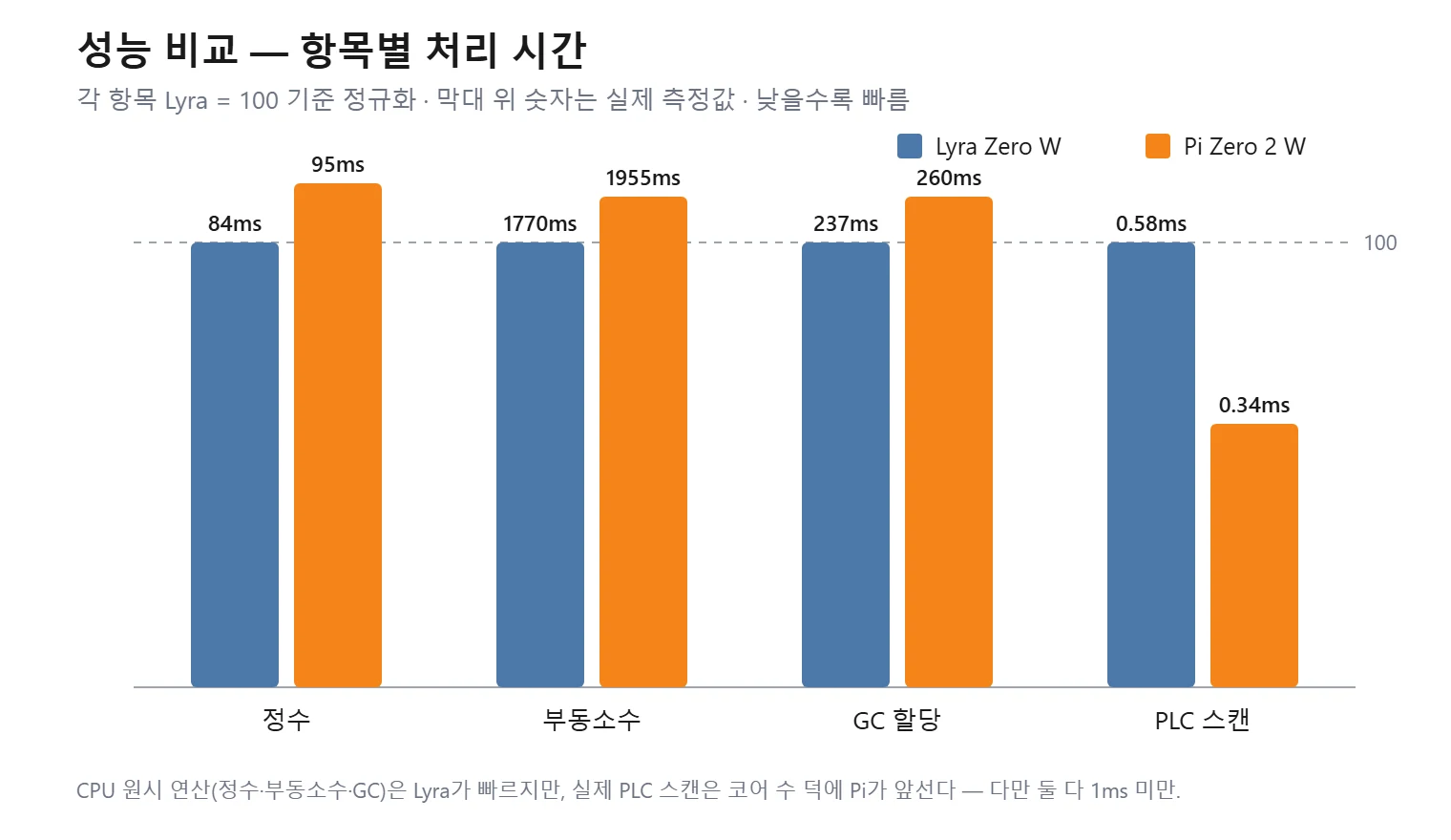
The Pi Zero 2 W is sold out and the Luckfox Lyra Zero W is the substitute - but is it fast enough? Same benchmark, same .NET version, both boards. On paper the Pi should have won, and the clock said otherwise.
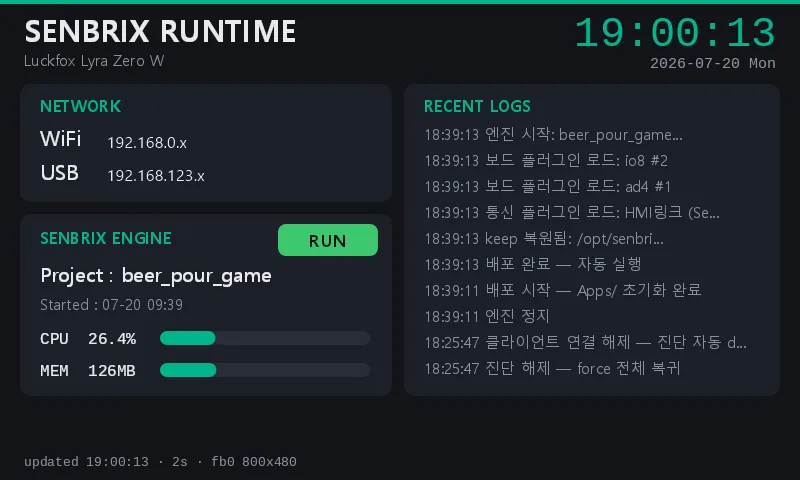
The Raspberry Pi Zero 2 W at the heart of ZPi Controller is sold out. We picked the RK3506B-based Luckfox Lyra Zero W as a replacement and actually moved onto it, from flashing the image to rebuilding the kernel and running real CAN control.